

Customized Servo Press Machine Design for Lab-Grown Meat Edible Packaging Microperforation
The rapid development in the field of lab-grown meat has led to a demand for innovative packaging solutions that not only preserve the quality and shelf life of these products but also align with sustainability practices. One of the promising areas of packaging technology is microperforation, which involves creating tiny holes in the packaging material to regulate gas exchange. This technology is essential for lab-grown meat packaging as it helps maintain optimal freshness while reducing spoilage. To meet these needs, the design of a customized servo press machine tailored for the microperforation of edible packaging has gained significance.
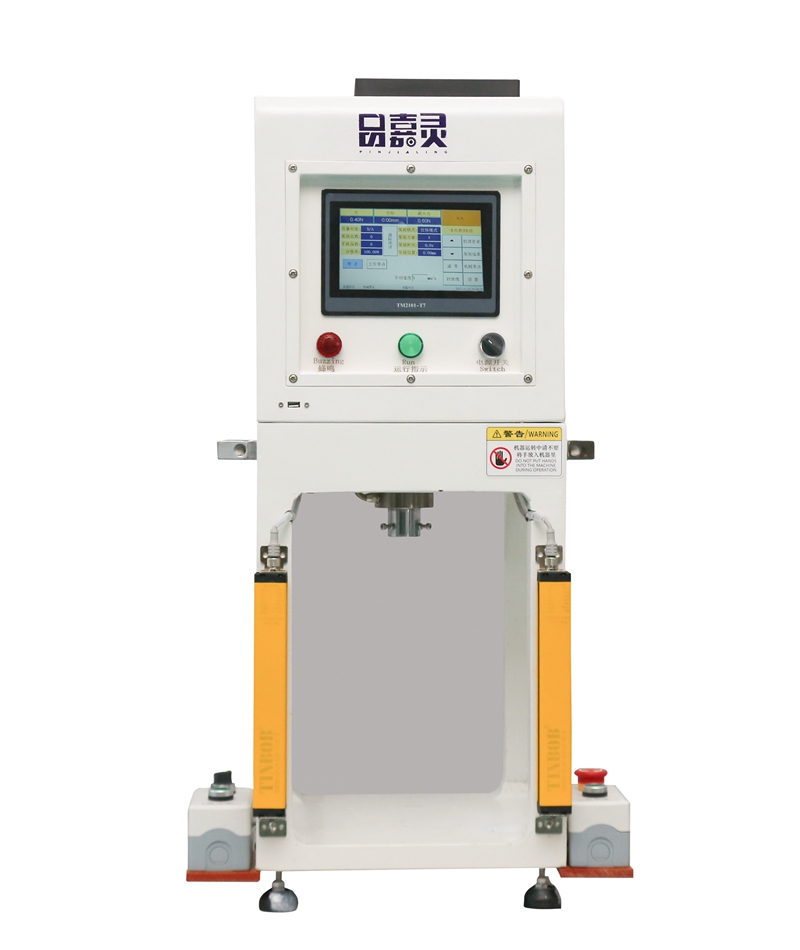
The servo press machine serves as a crucial component in the microperforation process. Unlike traditional mechanical presses, a servo press offers precise control over pressure and positioning. This level of precision is vital when creating microperforations with uniform size and distribution. The customization of such machines allows for adaptation to specific types of edible packaging materials, including those made from plant-based sources or algal derivatives.
When designing a customized servo press machine for microperforation, several critical factors need to be addressed:
Material Compatibility
Lab-grown meat edible packaging materials can vary widely in terms of composition and properties. The designed servo press machine must be compatible with different substrates, including polysaccharides, proteins, and films derived from edible starches. The ability of the machine to adjust the settings based on the material characteristics will enhance the efficiency of the microperforation process.
Precision and Control
One of the most compelling advantages of a servo press is its precision in operating parameters such as speed, force, and position. For microperforation, where the dimensions of perforations are typically measured in micrometers, the servo press can be programmed for consistent performance. By employing advanced motion control systems, engineers can establish specific protocols for the depth and diameter of perforations, ensuring that these characteristics meet industry standards without compromising the integrity of the packaging.
Energy Efficiency
The efficiency of operations plays a significant role in the overall sustainability goals of lab-grown meat packaging. A customized servo press machine can be designed to reduce energy consumption by utilizing regenerative drive systems. This not only decreases operational costs but also aligns with the environmental objectives associated with lab-grown products.
User Interface and Automation
An intuitive user interface makes the operation of the servo press more accessible for operators. Customizing the machinery with a user-friendly control panel enables personnel to execute complex microperforation tasks with minimal training. Moreover, integrating automation capabilities allows for the real-time adjustment of parameters, facilitating a more responsive production line that can adapt to fluctuations in material properties or production demands.
Maintenance and Durability
In any industrial environment, the longevity and reliability of equipment are paramount. A customized design can incorporate high-quality materials and engineering solutions that enhance the durability of the servo press machine. Additionally, straightforward maintenance procedures should be part of the design to minimize downtime and ensure that the equipment consistently meets performance expectations.
Research and Development
Continuous innovation in the food packaging sector benefits from robust research and development initiatives. The design process for a customized servo press machine should include collaboration with material scientists and food technologists. By working together, stakeholders can better understand the unique requirements of edible packaging and optimize the microperforation process.
Applications in Edible Packaging
Microperforation is not just a novel feature; it has practical applications that enhance the user experience and food preservation. By allowing for controlled gas exchange, microperforation can keep lab-grown meat products fresher for longer periods. Additionally, the ability of the packaging to be edible contributes to waste reduction, an essential component of sustainable practices. This innovation creates a unique selling proposition for lab-grown meat products, emphasizing their environmental and ethical benefits.
Conclusion
The development of a customized servo press machine for the microperforation of lab-grown meat edible packaging opens new avenues for enhancing product quality, sustainability, and marketability. This advanced technology caters to the specific needs of edible packaging while promoting operational efficiency and precision. As the food industry continues to explore alternative protein sources, the integration of innovative packaging solutions like the servo press will play an essential role in shaping the future of sustainable consumption. Implementing such tailored designs not only supports the growth of lab-grown meat products but also fosters a deeper commitment to ecological stewardship.
- Servo Press Machine Training Simulators_ AI-Powered Tactile Feedback for Complex Micro-Stamping Processes
- In recent years, the integration of technology into manufacturing processes has led to significant advances...

- Customized Servo Press Machine Solutions for Algae-Based Bioplastic Forming in Circular Bioeconomy Initiatives
- In recent years, the demand for sustainable materials has led to innovative applications of bioplastics...

- Servo Press Machine Material Compatibility_ Expanding Capabilities for Self-Healing Concrete Formwork in Earthquake-Resistant Construction
- In the realm of construction, particularly in earthquake-resistant design, the integration of innovative materials and...

- Gantry Servo Press Machine Applications in Nuclear Power Plant Component Production
- Gantry Servo Press machines have gained prominence in the realm of manufacturing, particularly in the...

- The Evolution of Servo Press Machine Technology in Modern Manufacturing
- The advancements in servo press machine technology have significantly influenced modern manufacturing, leading to improvements in efficiency,...
- Horizontal Servo Press Machine vs. Electropermanent Magnet Press_ Adaptability Comparison in Reconfigurable Manufacturing Cells
- Horizontal Servo Press Machine vs. Electropermanent Magnet Press: Adaptability Comparison in Reconfigurable Manufacturing Cells ...


