

Vertical Servo Press Machines_ Ergonomic Innovations for Neurodiverse Workforce Environments
Vertical servo press machines represent a significant advancement in manufacturing technology, offering a range of ergonomic innovations that cater specifically to neurodiverse workforce environments. These machines utilize servo motors, which provide precise control over pressing actions, making them ideal for tasks that require repetitive movements or high accuracy. The integration of ergonomic principles into their design enhances the working experience for all employees, including those with neurodiverse conditions.
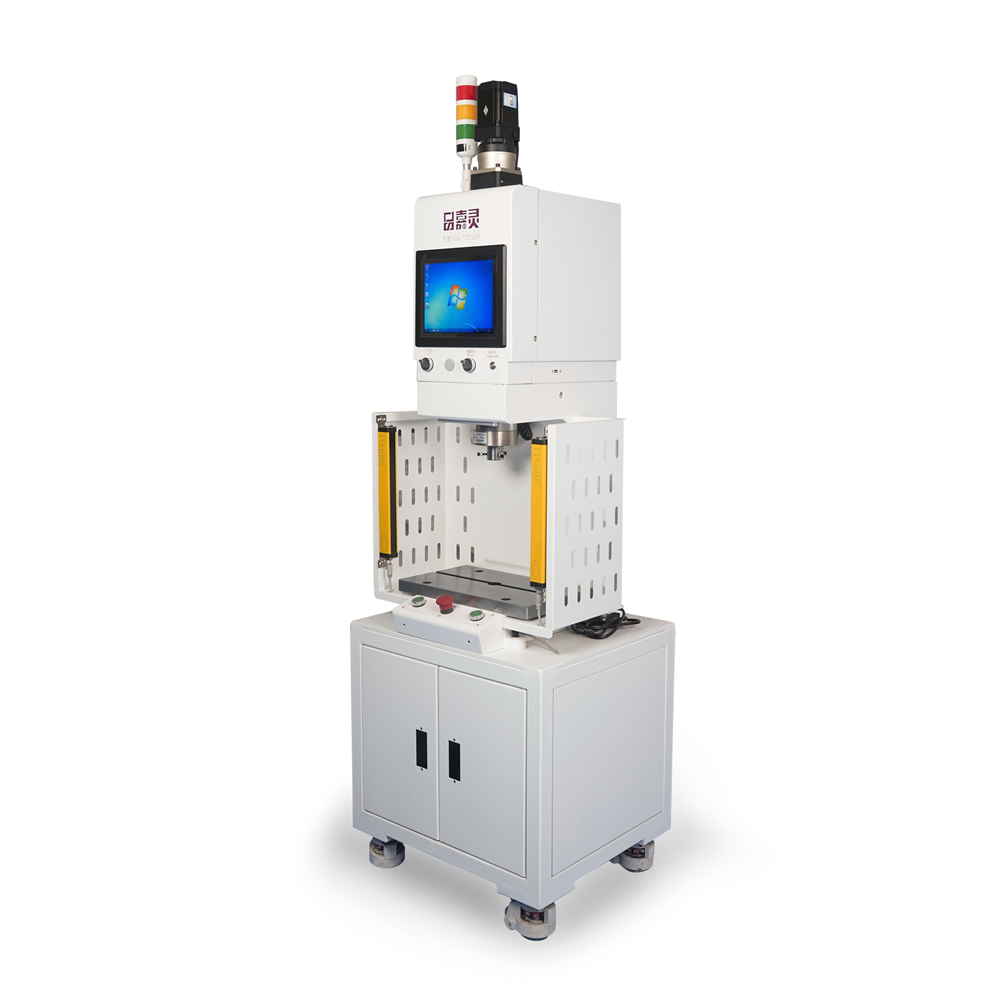
One of the primary benefits of vertical servo press machines is their ability to be customized to fit the ergonomic needs of individual operators. Neurodiverse individuals, such as those with autism or ADHD, may have unique sensory and motor requirements. Adjustable features like height, control interfaces, and pressure sensitivity can significantly contribute to a more comfortable and productive working environment. For example, customizable operator stations allow users to position controls at a height that minimizes strain while enabling easy access to controls, ultimately leading to improved focus and efficiency.
Moreover, servo technology provides smooth and steady operation, reducing the impact of physical vibration and noise. These factors can be particularly distracting or even overwhelming for neurodiverse individuals. Vertical servo press machines are designed to operate quietly and with minimal jarring, creating an atmosphere conducive to concentration and productivity.
The use of intuitive interfaces and simplified controls also plays an important role in enhancing user experience. Many vertical servo press machines feature touch screens and user-friendly navigation, which can reduce cognitive overload for neurodiverse employees. By limiting complex instructions and providing clear visual inputs, these machines facilitate better understanding and quicker adaptation for operators. Such user-centered design can increase confidence and reduce anxiety, allowing neurodiverse workers to perform at their best.
Training and operational procedures around vertical servo press machines can be optimized to further accommodate diverse employee needs. Providing training sessions with a focus on multi-sensory learning techniques ensures that essential operational skills are imparted in a way that resonates with all employees. Offering visual aids, hands-on experience, and clear verbal instructions may help to bridge gaps in understanding. Inclusive training approaches foster a sense of belonging, encouraging neurodiverse individuals to engage actively with their roles.
Additionally, the safety features embedded in vertical servo press machines contribute to a more secure working environment for neurodiverse individuals. Enclosed designs and advanced sensors can significantly reduce the risk of accidents due to human error. Enhanced safety protocols not only protect workers but also instill confidence. When employees feel secure, they are more likely to focus on their tasks and engage fully in their work.
Furthermore, vertical servo press machines can play a role in enhancing the overall workflow within a factory setting. Their precision allows for reduced material wastage and increased productivity, which benefits the entire team, including neurodiverse individuals who may thrive in structured environments. For example, predictable operations can minimize anxiety and help neurodiverse employees excel in their tasks. As teams work more efficiently, everyone benefits from a more harmonious work environment.
One critical aspect of fostering an inclusive workplace involves regular feedback and continuous improvement efforts. Incorporating input from neurodiverse employees on the use of vertical servo press machines can lead to further innovations. By understanding their experiences and challenges, organizations can adapt and refine processes to better suit individual needs. Engaging employees in this way not only enhances the functionality of the machines but also strengthens community bonds within the workforce.
In conclusion, vertical servo press machines embody significant ergonomic innovations that can transform environments for neurodiverse workers. By focusing on customization, intuitive design, and safety, these machines support not just operational efficiency but also employee wellbeing. The impact of enhanced ergonomics in manufacturing not only benefits individual workers but also promotes a culture of inclusivity and collaboration. As organizations invest in technology that acknowledges and accommodates diverse needs, they foster an environment where every employee can thrive, contributing positively to the fabric of the workplace.
- Servo Press Machine Training Simulators_ AI-Powered Tactile Feedback for Complex Micro-Stamping Processes
- In recent years, the integration of technology into manufacturing processes has led to significant advances...

- Customized Servo Press Machine Solutions for Algae-Based Bioplastic Forming in Circular Bioeconomy Initiatives
- In recent years, the demand for sustainable materials has led to innovative applications of bioplastics...

- Servo Press Machine Material Compatibility_ Expanding Capabilities for Self-Healing Concrete Formwork in Earthquake-Resistant Construction
- In the realm of construction, particularly in earthquake-resistant design, the integration of innovative materials and...

- Gantry Servo Press Machine Applications in Nuclear Power Plant Component Production
- Gantry Servo Press machines have gained prominence in the realm of manufacturing, particularly in the...

- The Evolution of Servo Press Machine Technology in Modern Manufacturing
- The advancements in servo press machine technology have significantly influenced modern manufacturing, leading to improvements in efficiency,...
- Horizontal Servo Press Machine vs. Electropermanent Magnet Press_ Adaptability Comparison in Reconfigurable Manufacturing Cells
- Horizontal Servo Press Machine vs. Electropermanent Magnet Press: Adaptability Comparison in Reconfigurable Manufacturing Cells ...


