

Horizontal Servo Press Machine vs. Pneumatic Press_ Performance Comparison in High-Speed Lines
Horizontal Servo Press Machine vs. Pneumatic Press: Performance Comparison in High-Speed Lines

In modern manufacturing processes, the choice of pressing technology can significantly impact productivity, efficiency, and product quality. Two predominant options in this space are the horizontal servo press machine and the pneumatic press. Each has its unique features and characteristics, making them suitable for different applications, especially in high-speed production lines. Below, we explore the performance aspects of both technologies in a comparative context.
Mechanism of Action
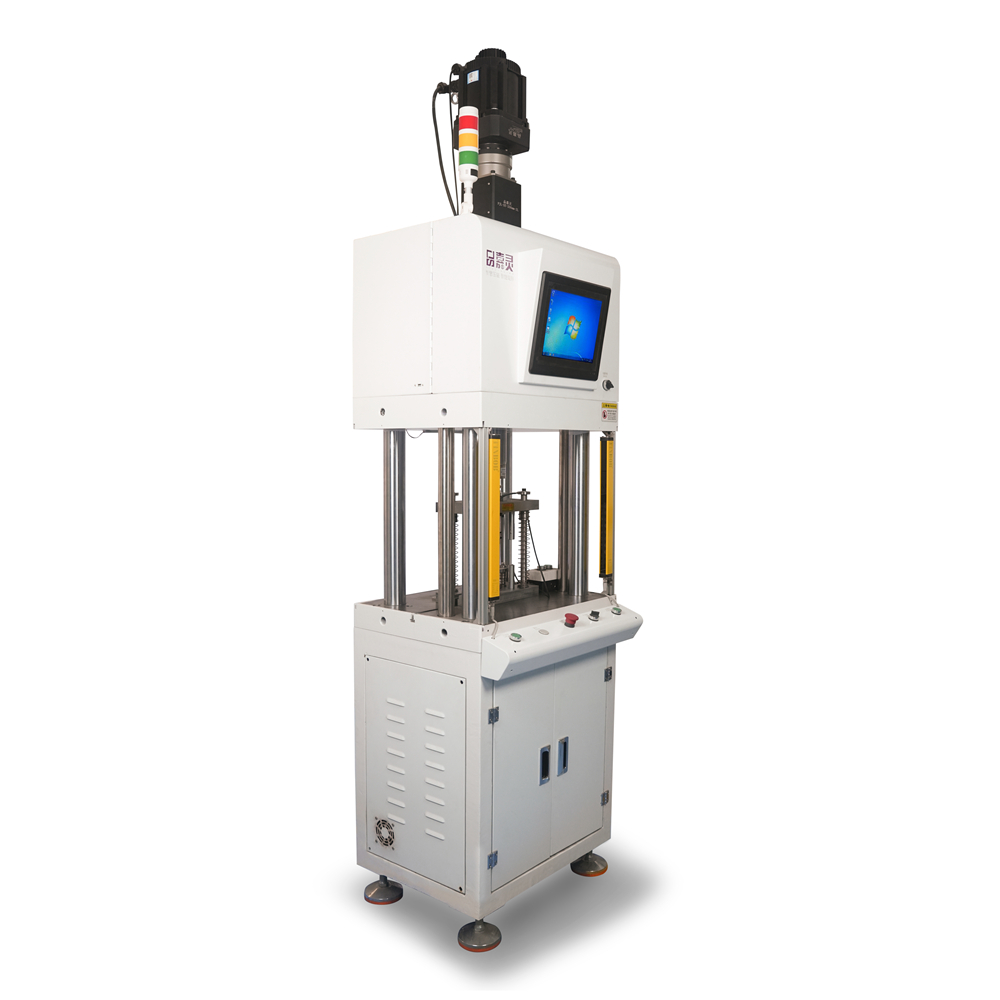
The horizontal servo press utilizes electric servo motors to drive a mechanical press. This operation allows for precise control of the speed, force, and displacement. Adjustability is vital in applications that require diverse press cycles and force profiles. The servo system enables real-time monitoring and adjustments, facilitating more sophisticated processes.
On the other hand, pneumatic presses operate using compressed air to exert force. The simplicity of this design allows for fast action and straightforward troubleshooting. However, adjustments are often mechanical and can be less precise than those found in servo-driven systems. The reliance on air pressure also creates certain limitations on the range of force and speed that can be achieved.
Speed and Efficiency
When it comes to high-speed lines, the efficiency of the pressing operation is paramount. Horizontal servo presses are designed for rapid cycles, with quick response times that make them suitable for continuous operations. They maintain consistent performance, even under varying load conditions, enabling manufacturers to maintain high output levels.
Pneumatic presses also offer rapid cycle times but can be limited by the speed at which the compressed air can be supplied and released. Additionally, because pneumatic systems may be subject to fluctuations in drive pressure, there could be moments where performance consistency differs, potentially affecting throughput.
Force Control and Precision
Precision is often a critical factor in manufacturing. Horizontal servo presses excel in this area due to their ability to provide precise control over press parameters. With the ability to adjust force and speed throughout the stroke, operators can optimize the process for different materials and product geometries. This flexibility leads to improved product quality and reduces the likelihood of defects.
In contrast, pneumatic presses have less variability in force application. While they can exert substantial force, the control over the exact amount of force can be less accurate compared to servo systems, which may require additional tooling or practices to achieve the desired quality.
Maintenance and Operational Costs
Maintenance is an essential consideration when evaluating pressing technologies. Horizontal servo presses, while advanced and efficient, often have more complex systems requiring specialized knowledge for maintenance and servicing. This complexity can potentially lead to higher operational costs in terms of both personnel training and parts replacement.
Pneumatic presses, being mechanically simpler, can often be serviced more easily. The use of compressed air means fewer moving parts and components prone to wear, leading to potentially lower maintenance costs. However, businesses must consider the ongoing energy costs associated with generating and providing compressed air.
Applications and Use Cases
The choice between a horizontal servo press and a pneumatic press often depends on the specific application. Horizontal servo presses are increasingly favored in industries that require high precision and varying production cycles, such as automotive and electronics manufacturing. Their adaptability makes them ideal for applications needing a mixed production environment with different materials and designs.
Pneumatic presses are frequently utilized in applications where speed is of the essence and extreme precision is less critical. Industries such as packaging, assembly, and light stamping often find pneumatic presses sufficient, balancing speed and cost-effectiveness effectively.
Conclusion
In summary, both horizontal servo press machines and pneumatic presses have their respective advantages and limitations in high-speed production lines. The horizontal servo press shines in applications requiring precise control, efficiency, and adaptability, while pneumatic presses remain relevant for operations where simplicity, speed, and lower maintenance are priorities.
When choosing between the two, manufacturers should carefully consider their specific production requirements, including speed, precision, and operational costs, to select a system that best fits their needs. Ultimately, understanding the distinct characteristics of both technologies is essential for optimizing performance in any manufacturing environment.
- Servo Press Machine Manufacturers_ Role in Driving Smart Factory Integration
- In recent years, the manufacturing landscape has witnessed a paradigm shift towards automation and smart...

- Advancements in Gantry Servo Press Machine Control Systems
- The landscape of manufacturing technology has seen numerous innovations, particularly with respect to control systems...

- Servo Press Machine Training Simulators_ AI-Powered Multisensory Feedback for Complex Micro-Fluidic Channel Forming
- Servo Press Machine Training Simulators: AI-Powered Multisensory Feedback for Complex Micro-Fluidic Channel Forming In...
- Gantry Servo Press Machine Applications in Renewable Energy Turbine Component Production
- Gantry servo press machines have become increasingly integral in the production of renewable energy turbine components,...
- Servo Press Machine Noise Reduction Strategies_ Compliance with Occupational Health Standards
- Noise in industrial environments, particularly in settings where servo press machines are operated, can pose significant...

- Gantry Servo Press Machine Applications in High-Entropy Alloy Forming for Next-Gen Jet Engine Turbine Blades
- The integration of gantry servo press machines in the forming processes of high-entropy alloys (HEAs) holds...


