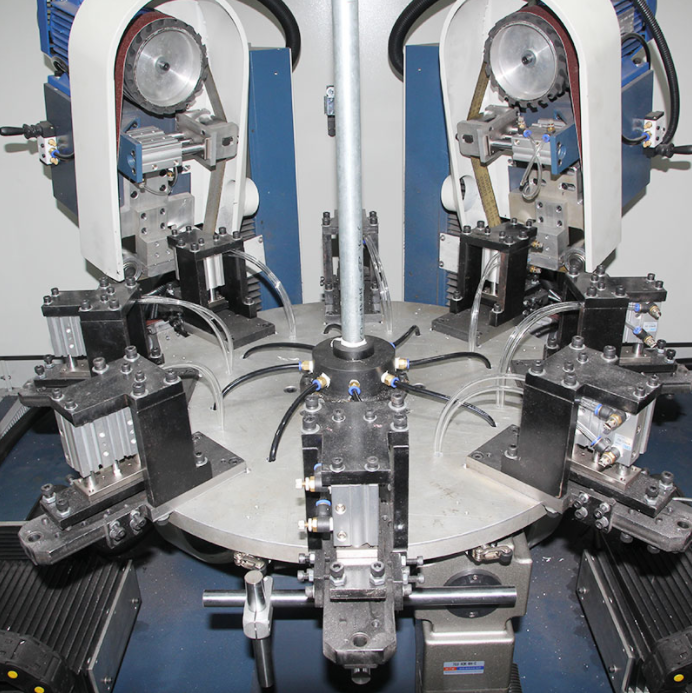
servo electric presses made in China


The FAQ is regularly updated to reflect the latest information and to ensure that you have the most accurate details at your fingertips.
Thank you for choosing us, and we hope you find the answers you need!
- Is there any warranty after purchasing the servo press?
We have more than 13 years of professional manufacturing experience. We provide 2 years warranty for our servo presses. Technical support is provided free of charge forever.
- What is a Nano silver sintering machine?
Our nanosilver sintering machine is an efficient and environment-friendly nanomaterial preparation equipment product, which focuses on the sintering preparation of high quality nanosilver powder. The product adopts advanced microwave heating technology to effectively control the temperature field distribution and ensure uniform and stable sintering process. Equipped with a sophisticated vacuum system and exhaust gas treatment device to ensure that the sintering process is carried out in a dust-free, low-oxygen environment, thereby improving the purity and dispersion of nanosilver powder.
- What is an electric butcher?
An electric butcher, also known as an electric butter churn or butter maker, is a modern device designed to automate the process of churning cream into butter. Churning is the traditional method of turning cream into butter by stirring the cream until the fat globules coalesce and separate from the buttermilk.
- What is the maintenance required for a servo press machine?
A servo press machine requires regular maintenance, including lubrication, checking for wear of components, and calibration of the servo motor. Regular maintenance ensures optimal performance and longevity of the machine.
- Why should I buy from your company not from other suppliers?
As a technology company, Pinjialing’s products have its own core technologies and patents. And has certain influence and popularity in the peer field. We have our own software engineering development department, expert engineering design department, precise production process, strict QC management and high-quality after-sales service.
- How to place order?
When you are ready to order, please contact us for confirm the suitable solution & plan & model. What cannot be ignored is you should provide a copy purchase order to ensure that your order is processed properly.
- What are the advantages of using a servo press machine?
The advantages of using a servo press machine include reduced production costs, increased productivity, improved product quality, and better energy efficiency.
- Is the machine easy to clean?
Yes, most electric butter churners are designed with easy to clean parts. Simply disassemble, wash with warm soapy water, rinse and allow to dry.
- How many types of riveting machines do we have in our factory?
Our factory has S / C type precision intelligent servo press equipment, high precision diameter riveting, pendulum riveting, servo rotary riveting machine.
- What is Double Station Turntable Servo Riveting Machine?
The Double Station Rotary Table Servo Riveting Machine consists of a cast body, a double station rotary table, a servo riveting system, a human computer interaction system, and a safety protection system.