Zawór natryskowy Produkt KST-810P


The FAQ is regularly updated to reflect the latest information and to ensure that you have the most accurate details at your fingertips.
Thank you for choosing us, and we hope you find the answers you need!
- What is Double Station Turntable Servo Riveting Machine?
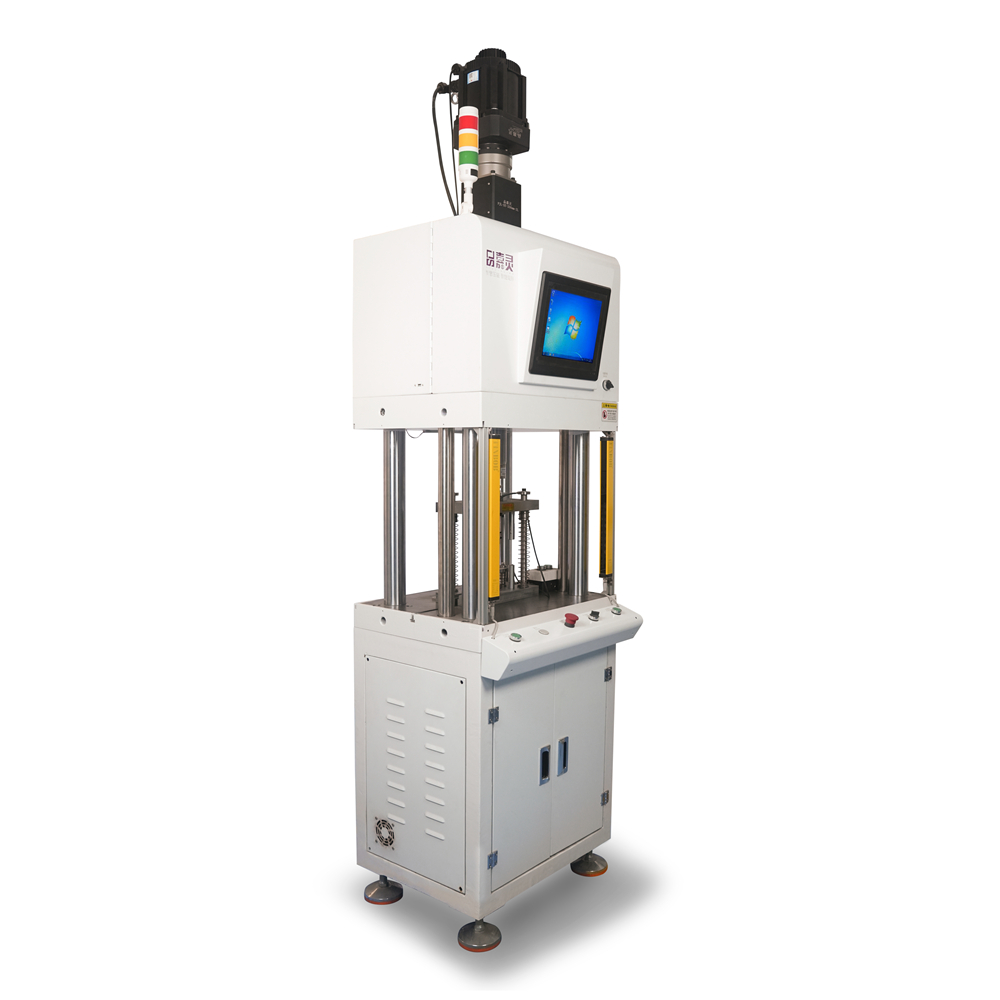
The Double Station Rotary Table Servo Riveting Machine consists of a cast body, a double station rotary table, a servo riveting system, a human computer interaction system, and a safety protection system.
- What is the maintenance required for a servo press machine?
A servo press machine requires regular maintenance, including lubrication, checking for wear of components, and calibration of the servo motor. Regular maintenance ensures optimal performance and longevity of the machine.
- How does an electric churn work?
The Electric Butter Machine has a motorized churn that rotates and agitates the cream, causing the fat globules to coalesce and separate from the buttermilk, resulting in fresh butter.
- What is an electric butcher?
An electric butcher, also known as an electric butter churn or butter maker, is a modern device designed to automate the process of churning cream into butter. Churning is the traditional method of turning cream into butter by stirring the cream until the fat globules coalesce and separate from the buttermilk.
- Which payment terms you can accept?
We can accept flexible payment methods including Bank Transfer, LC, DP, Western Union, Paypal or combined terms as negotiated.
- Is there any warranty after purchasing the servo press?
We have more than 13 years of professional manufacturing experience. We provide 2 years warranty for our servo presses. Technical support is provided free of charge forever.
- How to place order?
When you are ready to order, please contact us for confirm the suitable solution & plan & model. What cannot be ignored is you should provide a copy purchase order to ensure that your order is processed properly.
- Who are we?
Our headquarters is located in Guangdong, China, and sells to Southeast Asia, Eastern Europe, Western Europe, North America, Northern Europe, Central America, South America, East Asia, South Asia, Oceania, Southern Europe, Africa, and the Middle East.
- How do I select the right servo press machine for my application?
When selecting a servo press machine, it is important to consider factors such as the required forming force and stroke, the material to be formed, and the required production volume. Consult with a reputable supplier to ensure that the machine meets your needs and requirements.
- What types of materials can be formed using a servo press machine?
A servo press machine can be used to form a variety of materials, including steel, aluminium, copper, and other alloys.