

Horizontal Servo Press Machine Integration with Digital Twins for Predictive Maintenance in Nuclear Fusion Reactors
In the realm of advanced manufacturing and energy production, the intersection of horizontal servo press machines and digital twin technology presents a transformative opportunity for predictive maintenance, particularly in contexts as critical as nuclear fusion reactors. The integration of these technologies aims to enhance operational efficiency, safety, and longevity of equipment through continuous monitoring and data-driven decision-making.
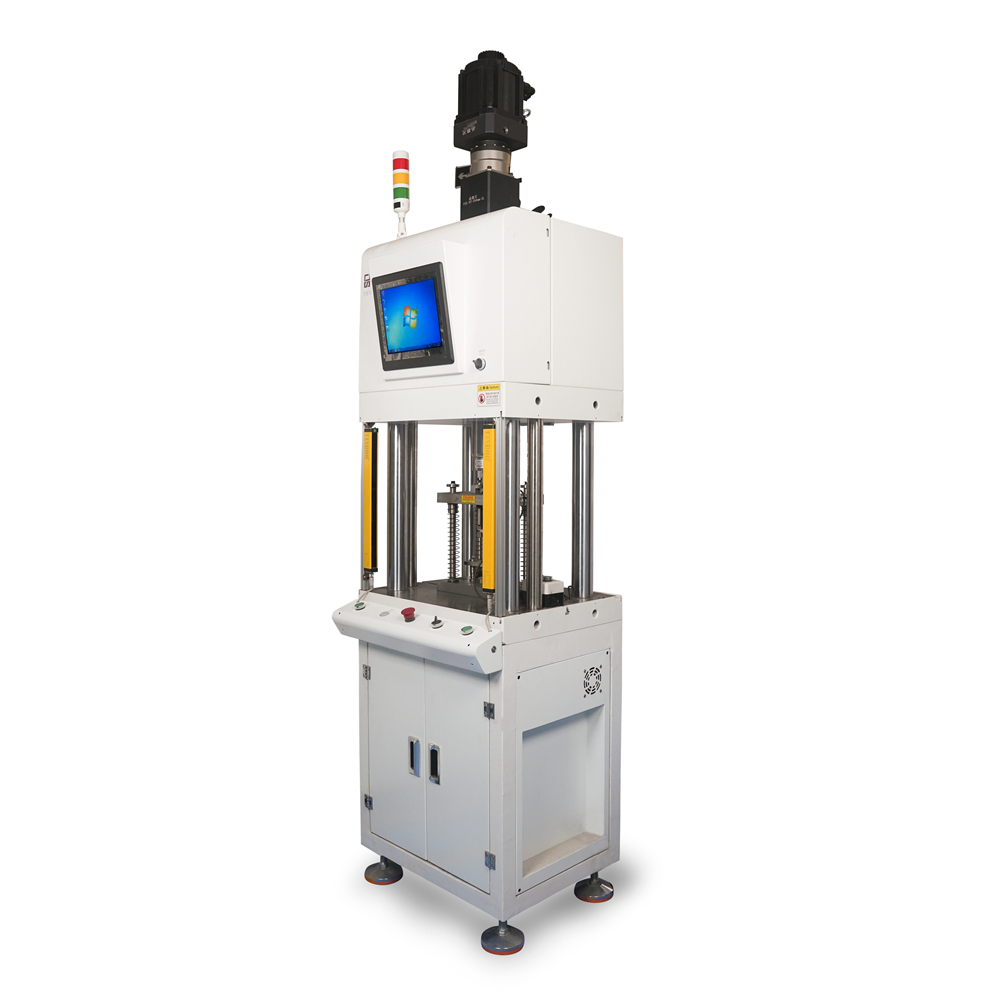
Horizontal servo press machines have made significant strides in their functionality and application across various industries. Their design allows for excellent precision and control during manufacturing processes, crucial for complex components found in nuclear fusion reactors. These machines utilize servo motors, offering greater responsiveness and accuracy compared to traditional hydraulic systems. The capability to manage high speeds and heavy loads while maintaining precision makes horizontal servo presses ideal for creating parts necessary for the intricate workings of fusion reactors, where material integrity is paramount.
On the other hand, digital twins are virtual representations of physical systems, utilizing real-time data to simulate and predict the behavior of those systems. By integrating this technology with horizontal servo presses, organizations can monitor machine performance continuously. This real-time monitoring feeds into data analytics systems, allowing for the identification of unusual patterns or deviations from normal operational parameters. The synergy between these machines and their digital counterparts enables a proactive maintenance approach rather than a reactive one.
Predictive maintenance focuses on anticipating equipment failures before they happen. This shift from traditional maintenance strategies, which often rely on scheduled downtime or reactive repairs, can significantly reduce the operational costs and improve safety. In nuclear fusion reactors, where the stakes are exceptionally high, ensuring the reliability of the machinery is critical. Predictive maintenance allows for maintenance work to be carried out at optimal times, thereby minimizing disruptions while ensuring that equipment operates at its best.
The integration of horizontal servo presses with digital twins involves various stages. Initially, the physical characteristics of the servo press must be accurately represented in its digital twin. Sensors placed on the machine capture relevant performance data, such as temperature, load, and vibration levels. This data is then transmitted to a cloud-based platform where it can be analyzed in real-time using machine learning algorithms, making it possible to identify trends and anomalies swiftly.
As data accumulates, machine learning models can enhance their predictive capabilities. For instance, if a specific vibration pattern is correlated with a component’s impending failure, the digital twin can alert operators in advance, allowing for timely intervention. This predictive capability extends to all facets of the operational life of the horizontal servo press, from initial setup and calibration to regular maintenance checks.
Furthermore, a significant advantage of digital twins is that they facilitate simulation-based testing. Engineers can utilize the digital twin to experiment with different operational scenarios without any risk to the physical machine. This allows organizations to optimize performance parameters and identify the most effective maintenance strategies without incurring the costs or risks associated with physical trials.
Another essential aspect of this integration is training and skill development for personnel. Digital twins can be used as comprehensive training tools, enabling technicians and operators to familiarize themselves with machine operations in a virtual environment. By understanding the machine’s behavior through simulations, staff can make informed maintenance decisions and junderstand the implications of their work on the overall reactor performance.
Moreover, harnessing predictive maintenance through digital twin technology can enhance regulatory compliance and safety protocols. In the nuclear sector, adherence to stringent safety regulations is non-negotiable. Maintaining accurate records of machine operations and predictive maintenance activities ensures that organizations remain compliant, minimizing the risk of accidents or mechanical failures that could lead to severe consequences.
In conclusion, the integration of horizontal servo press machines with digital twins for predictive maintenance presents a modern approach to enhancing performance, safety, and cost efficiency in nuclear fusion reactors. Through continuous monitoring and data analysis, organizations can anticipate equipment failures, thus improving operational reliability. As the energy sector continues to evolve, leveraging these advanced technologies will be critical in ensuring the sustainable, safe, and efficient operation of complex systems such as nuclear fusion reactors. The successful implementation of these solutions marks a step forward in merging innovative technology with critical energy production processes, paving the way for future advancements in manufacturing and energy.
- Servo Press Machine Training Simulators_ AI-Powered Tactile Feedback for Complex Micro-Stamping Processes
- In recent years, the integration of technology into manufacturing processes has led to significant advances...

- Customized Servo Press Machine Solutions for Algae-Based Bioplastic Forming in Circular Bioeconomy Initiatives
- In recent years, the demand for sustainable materials has led to innovative applications of bioplastics...

- Servo Press Machine Material Compatibility_ Expanding Capabilities for Self-Healing Concrete Formwork in Earthquake-Resistant Construction
- In the realm of construction, particularly in earthquake-resistant design, the integration of innovative materials and...

- Gantry Servo Press Machine Applications in Nuclear Power Plant Component Production
- Gantry Servo Press machines have gained prominence in the realm of manufacturing, particularly in the...

- The Evolution of Servo Press Machine Technology in Modern Manufacturing
- The advancements in servo press machine technology have significantly influenced modern manufacturing, leading to improvements in efficiency,...
- Horizontal Servo Press Machine vs. Electropermanent Magnet Press_ Adaptability Comparison in Reconfigurable Manufacturing Cells
- Horizontal Servo Press Machine vs. Electropermanent Magnet Press: Adaptability Comparison in Reconfigurable Manufacturing Cells ...


